
Current Team (in alphabetical order of surname)
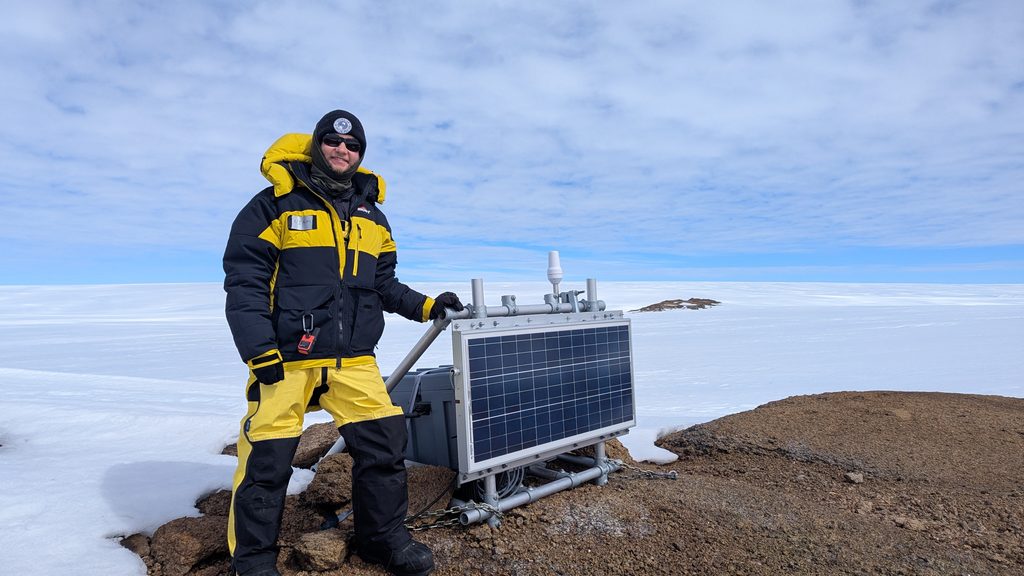
Niam Askey-Doran
PhD candidate
Niam’s research focuses on investigating the solid Earth beneath Antarctica, particularly in regions with limited seismic observations. Using sparse seismic measurements, multivariate techniques, stochastic inversion and ideas from information theory, his work aims to constrain the tectonic structure and seismic properties of the solid Earth underneath Antarctica. This research helps to improve our understanding of glacial isostatic adjustment, a key consideration in making sea-level projections and modelling the Antarctic ice sheets.
Niam is also actively involved in science communication and outreach, engaging with schools and communities through the Young Tassie Scientists (YTS) program.
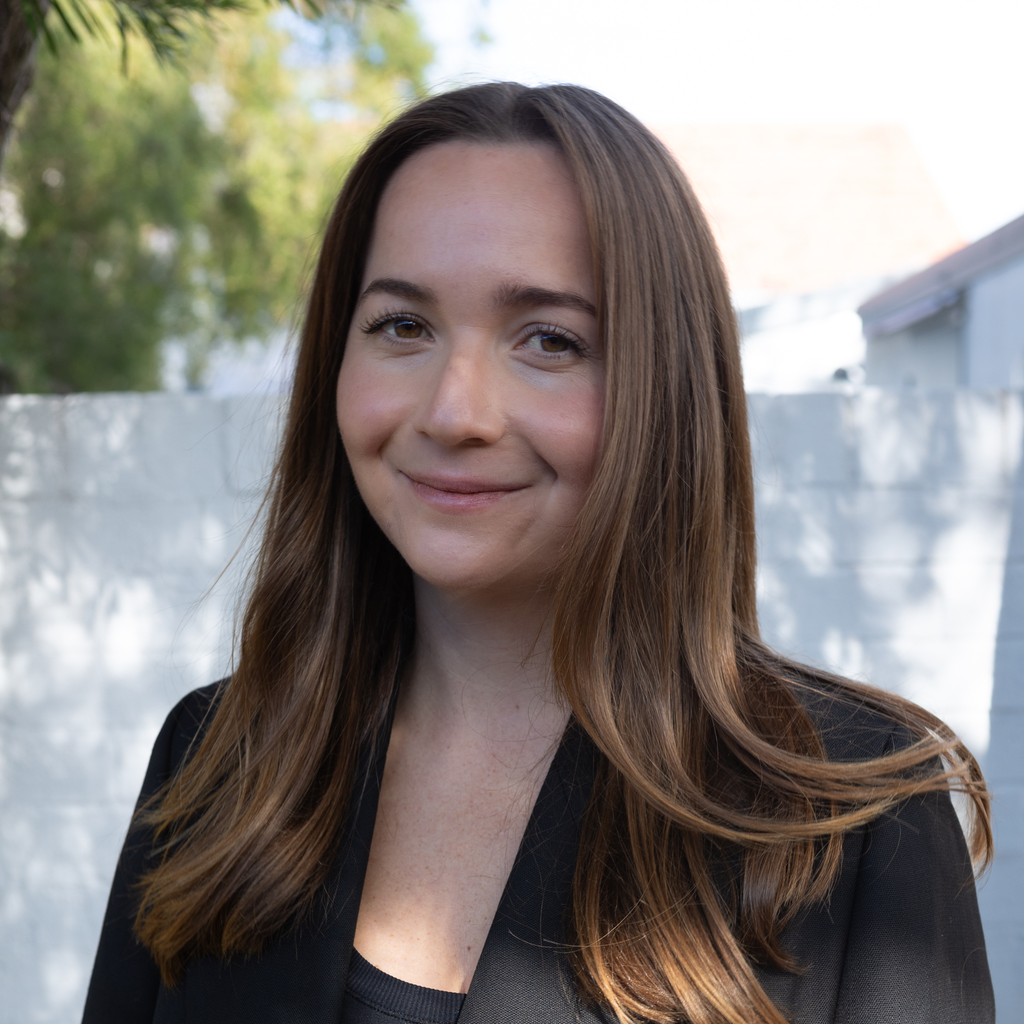
Dr Kim Bente
Postdoctoral Research Fellow in Computational Antarctic Geophysics
Kim develops probabilistic and physics-informed machine learning methods to investigate Antarctic subsurface processes and ice dynamics. Kim develops probabilistic and physics-informed machine learning methods to investigate Antarctic subsurface processes and ice dynamics. Her research integrates satellite, airborne, and ground-based geophysical observations with physical principles to map and quantify subglacial topography, ice flux, and ice shelf basal melt. She also applies computer vision to radar data to characterise the ice–bed interface, and builds Bayesian optimisation methods to improve field survey design.
Kim writes:
Don’t stay under the radar, break the ice, and shoot me an email.
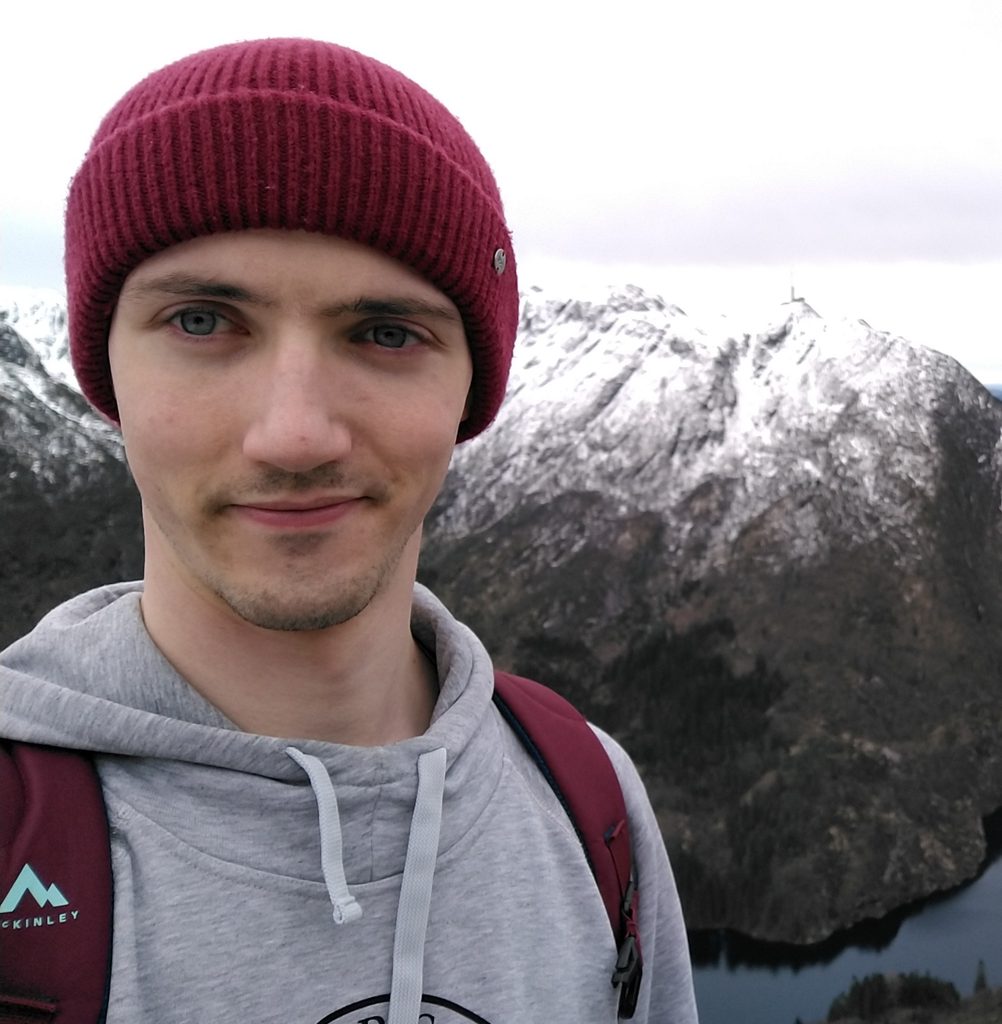
Jakob Gradl
PhD candidate
Jakob uses machine learning-assisted data assimilation to investigate the Antarctic Ice Sheet, with a particular focus on conditions beneath the ice. His research combines satellite observations, neural networks and ice-sheet modelling to improve estimates of subglacial properties and better represent basal processes in simulations of ice-sheet change.
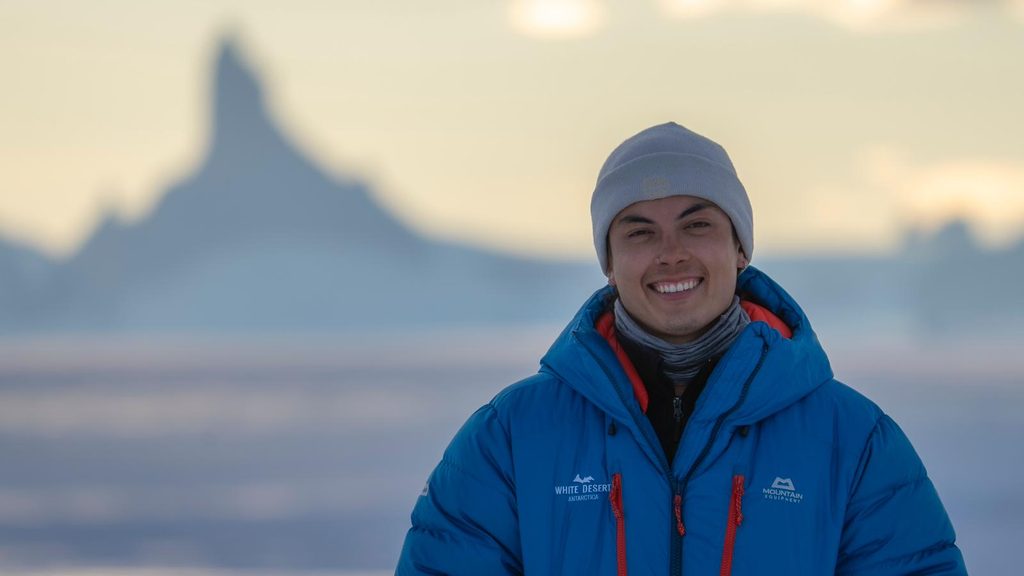
Dr Ian Kelly
Postdoctoral Researcher | Research Associate
Ian’s research focuses on using geophysical techniques, particularly passive seismology, to investigate subglacial environments and monitor changes in the Antarctic ice sheet. He is interested in improving estimates of future sea-level contributions through computational frameworks, including machine learning, and applying geophysical methods in remote, data-sparse environments.
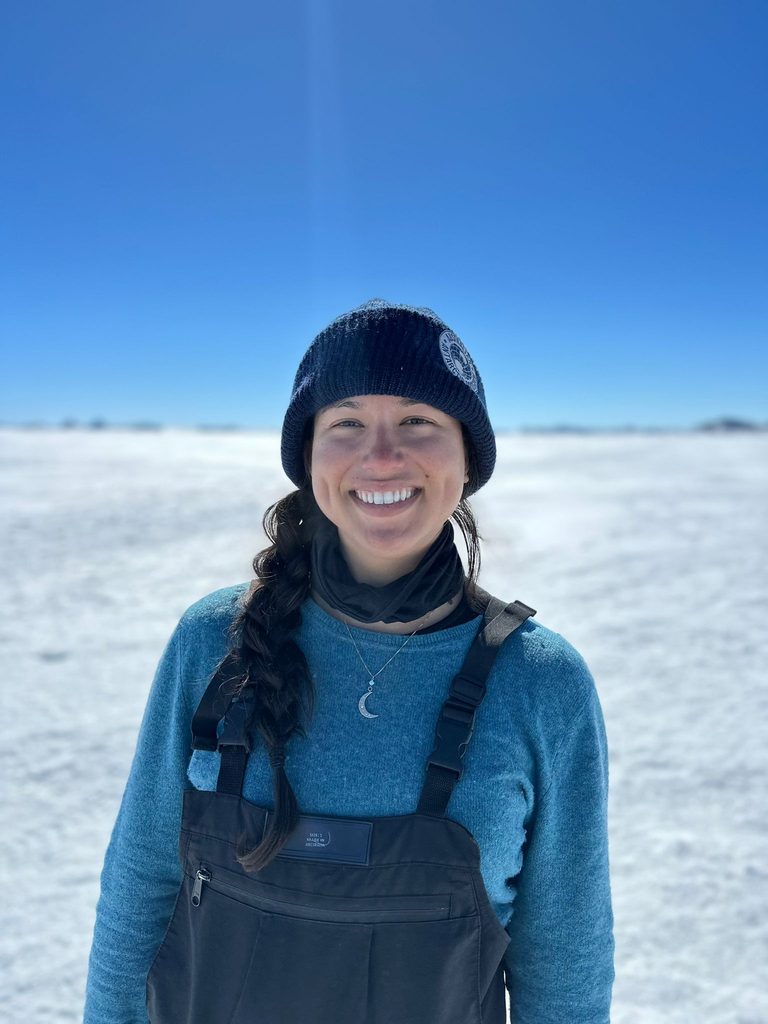
Shyla Kupis
PhD candidate
Shyla specialises in seismic data acquisition, processing, and analysis for shallow ice sheet and glacier studies. Her research applies computational approaches to characterise firn and shallow ice structures and better constrain ice mass estimates using seismic data collected in East Antarctica. Her field experience includes on-ground geophysics fieldwork in East Antarctica, as part of the Denman Terrestrial Campaign (2023/24) and in Svalbard, Norway (2023). Her research integrates her computational methodologies and field experience to provide practical guidelines on active-source seismic survey design.
Prior to her PhD, she worked as a Post Master’s Research Associate for a research project on long-term carbon sequestration storage and design at Pacific Northwest National Laboratory and as an applied mathematician at the climate energy startup, Project Canary. She achieved a Master’s degree in Mathematics (2021) and Environmental Engineering (2018) at Clemson University, USA, along with a Bachelor’s degree (2015) in Mathematics with a Hydrology emphasis at New Mexico Institute of Mining and Technology, USA.
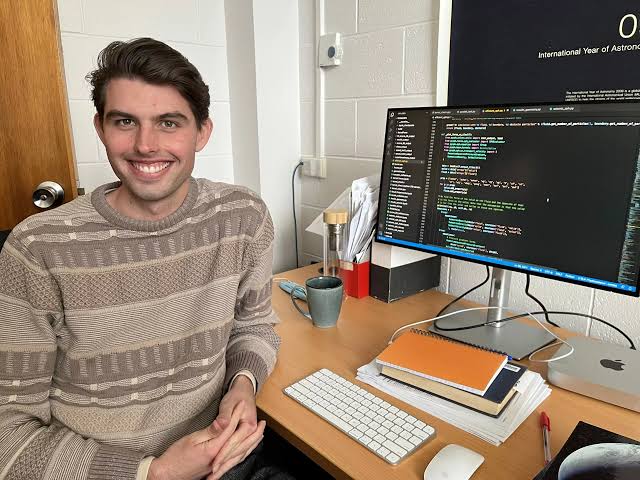
Jared Magyar
Postdoctoral Research Associate in Computational Seismology
Jared’s research focuses on using seismology to investigate glacier processes and monitor changes in Antarctica’s outlet glaciers. He develops methods to detect, locate and classify seismic signals generated by crevassing, basal stick-slip motion, iceberg calving and glacier hydrology. By combining seismic observations with machine learning techniques, his research aims to identify patterns in glacier activity and better understand processes that are difficult to observe directly.
Jared also has a strong interest in science education and outreach, including university teaching and engagement with schools through the Young Tassie Scientists program.
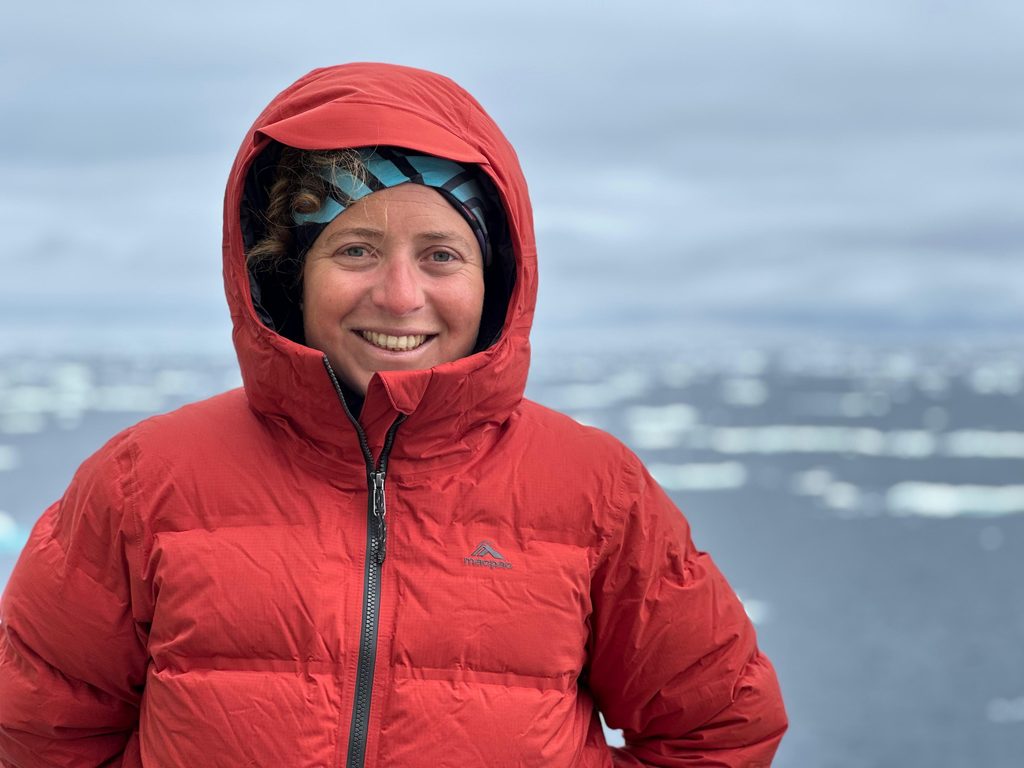
Dr Maria Constanza (Coti) Manassero
Antarctic Geoscientist | Research Associate
Coti’s interests include Antarctic field operations, expedition leadership and multidisciplinary research in remote environments. She specialises in coordinating field campaigns, supporting high-performing teams and collecting magnetotelluric data. Her work focuses on integrating geophysical, geological and environmental observations to better understand Antarctic Earth systems and support future research programmes.
Dr Hannah Moore
Research Associate in Geology (Communication)
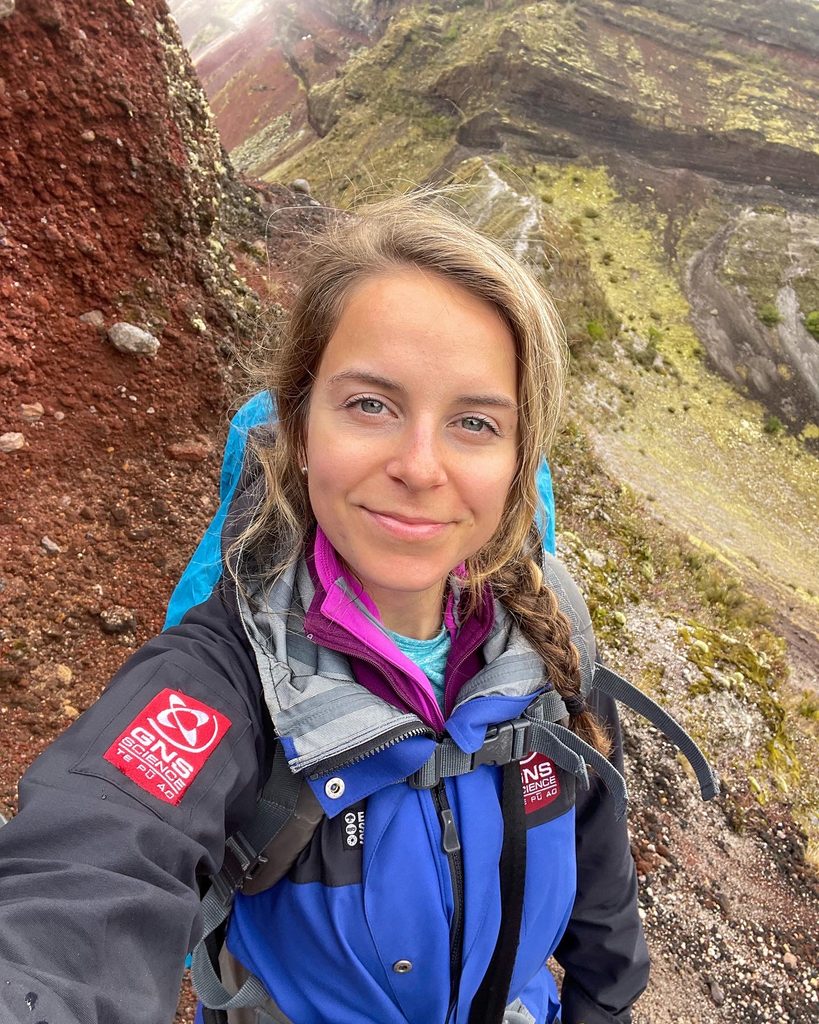
Hannah is a geologist and science communicator with a PhD in volcanology. She supports Antarctic research through field report writing, literature reviews, and the development of clear and engaging films, website content and outreach materials.
Professor Anya M. Reading
Professor of Geophysics | ARC Laureate Fellow
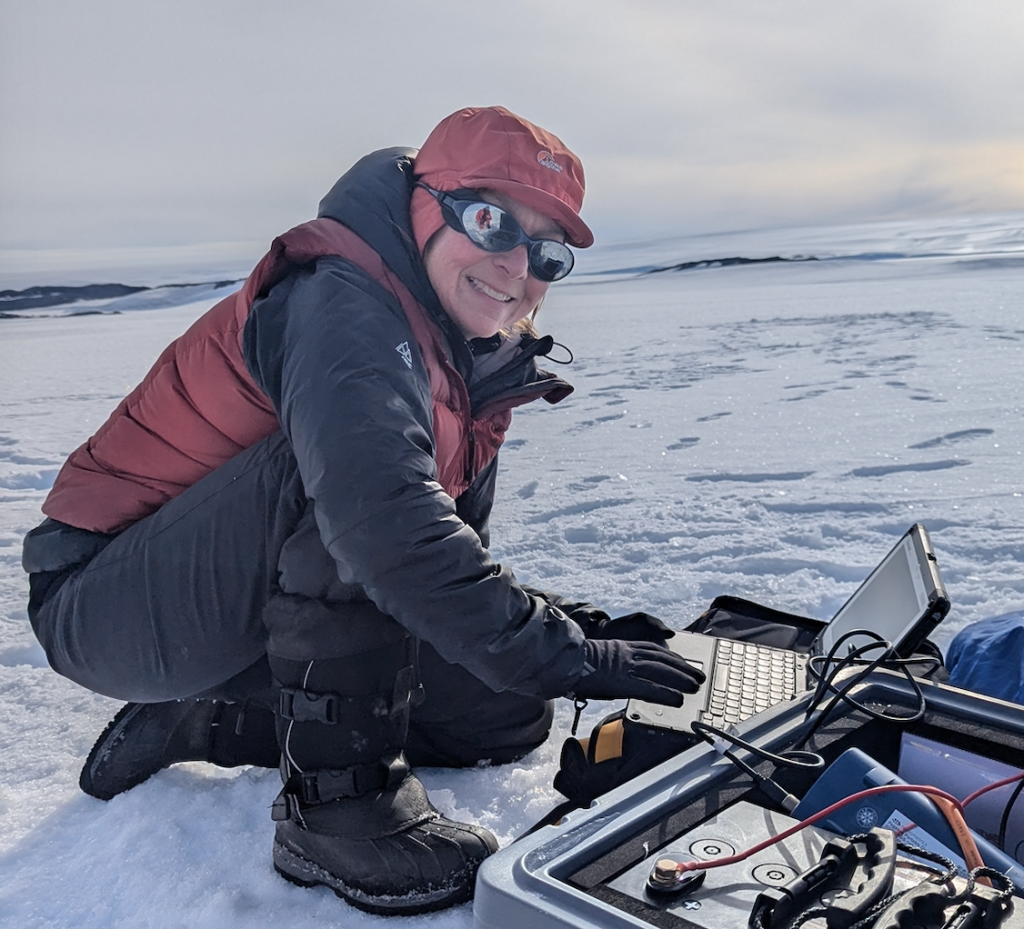
Anya’s research focuses on innovations in computational geophysics and geophysical data collection in remote and challenging environments, with a particular interest in Antarctica.
Anya writes:
Welcome to our group webpages. Feel free to contact my via e-mail anya.reading@utas.edu.au on any topic.
Dr Tobias Stål
Research Fellow in Computational Physics
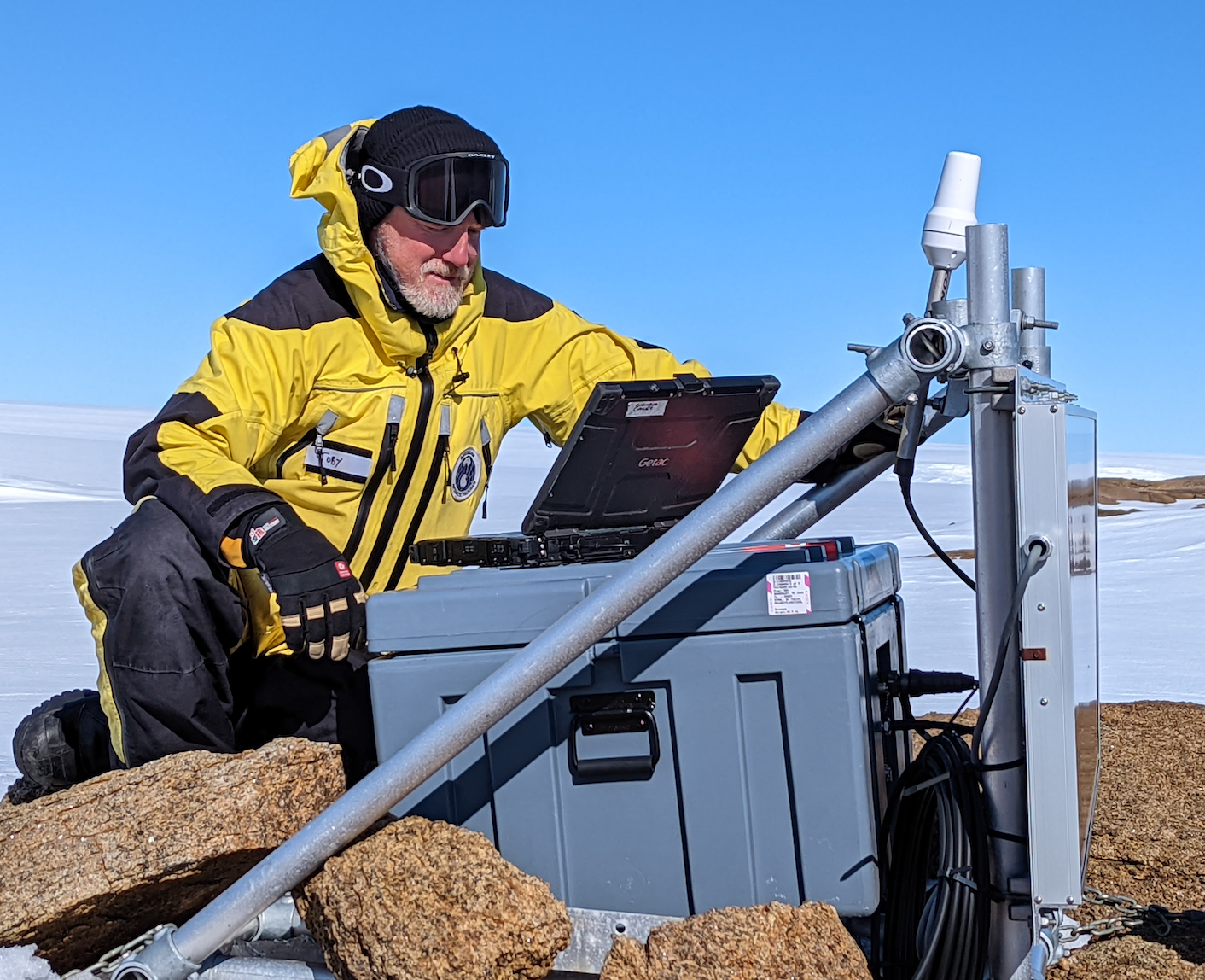
Tobias combines geological and geophysical observations with statistical computer models to better understand Antarctica’s continental structure, particularly beneath its ice-covered interior. His research investigates interactions between the ice sheet and underlying geology, helping improve predictions of Antarctica’s response to global warming and rising sea levels.
Tobias writes:
Get in touch; I’d love to exchange ideas and learn from you.
Dr Ross Turner
Lecturer in Mathematics and Physics
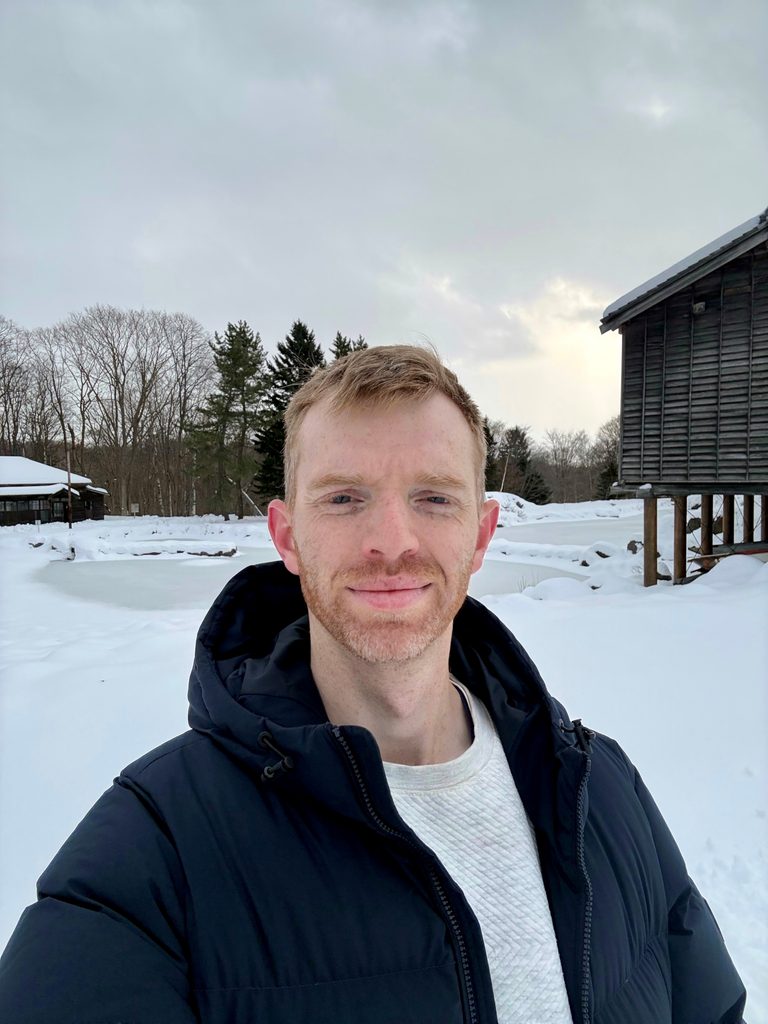
Ross is a Lecturer in Mathematics and Physics, with a broader research background in theoretical astrophysics and computational modelling. His research with the Compute Antarctic group applies computational physics, mathematical modelling and statistical methods to investigate complex Earth systems, with a particular focus on Antarctica. Ross contributes to interdisciplinary research aimed at improving our understanding of Antarctic processes and environmental change.
Ross is also actively involved in science communication and outreach, including through QueersInScience.